Reclaiming Player #1: Blackness in Gaming History
Video games have always been Black. We just haven’t been paying attention.
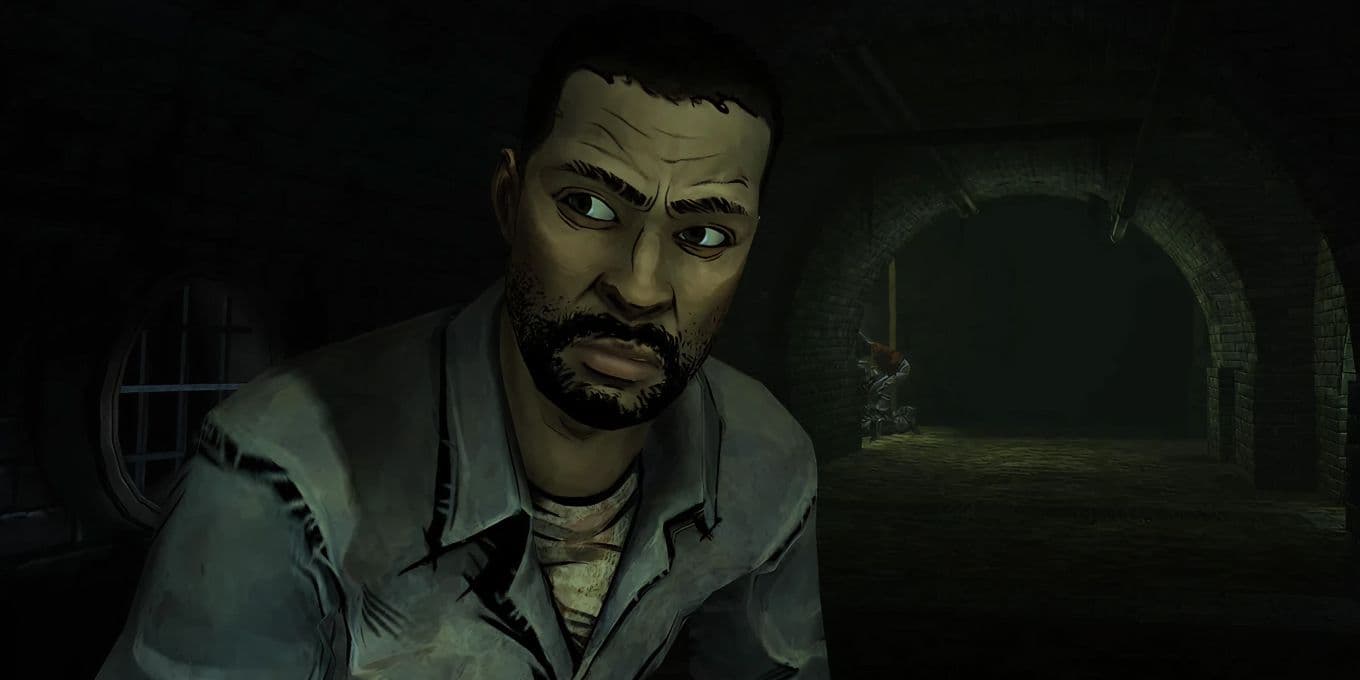
Black characters and creators have always been on your computer screen or behind it. From early stagnant sports images in titles like Mike Tyson’s Punch-Out!! (1987); to selectable characters in multicultural fighting games like the Street Fighter and Mortal Kombat series; to more modern respectable, nuanced roles like Hazel from South of Midnight; the rocky road that is Black video game representation has seen both its failures and its triumphs. And yet, an intricate pixelated tapestry emerges if we simply switch camera modes and take a moment to place it all into context.
We Have Always Been There
Sports games often acted as the first harbinger of Black images in pixelated form. Titles like Heavyweight Champ and Mike Tyson's Punch-Out!! are testaments to this. At the same time, stereotypical depictions like this and supporting sidekick roles were often the only ways these faces could be seen. By the late ’80s and early ’90s, the landscape began to widen. Beat ’em ups like Streets of Rage introduced players to Adam Hunter, a core member of the playable trio. Run-and-gun titles such as Quartet featured characters like Edgar, offering players more agency and presence. Fighting games, sports simulations, and arcade cabinets quietly made space – even when that space was imperfect. However, beyond the sidekick roles, on the Commodore 64 in 1986, now-defunct London-based developer Computer Rentals Limited (CRL) released one of the first Black-led single-player games, Cyborg, which was rereleased as Mandroid in 1987. The images in front of the CRT monitor were often fleeting, but the authors behind it tell a different story.
In Front Of and Behind the Screen
What’s behind the screen is just as important as what’s in front of it. Black technologists throughout modern history have played integral roles in laying the foundation for what gaming has become. Jerry Lawson helped pioneer the home video game cartridge, making interchangeable game libraries possible. Without that innovation, the console industry as we know it might not exist. Edward Smith contributed to the APF Imagination Machine, an early hybrid computer-console system that blurred the lines between play and programming. Marian Croak developed foundational Voice over IP technologies that underpin modern online communication – technology that powers in-game chat and multiplayer ecosystems. Muriel Tramis brought narrative depth and cultural perspective to early adventure games, expanding what stories interactive media could tell. These contributions are just a few of the Black creators that paved the way for what modern gaming is today.
The Present and Future of Black Gaming
Like any medium, racial minorities face the ongoing challenge of erasure from the past, present, and imagined future of the industry. Histories go undocumented. Contributions go uncredited. Characters appear without context. But the record, when examined closely, tells a fuller story. Black characters and creators have always been there. And if the past was a rocky road, the path forward is being paved with intention, ownership, and visibility.