What Can Kids Actually Learn from Games?
Exploring the Positive Impact of Gaming
Games are often seen as distractions by parents. And we can admit that they can be. How do we fix that? Make better game choices.
While some are perfect for indulging in fun gaming sessions, others have something important to teach. Games can be a great way for children to make friends, express their creativity, solve problems, and experience immersive stories. Like books and movies, not all games offer the same value. But picked with care, they can be a powerful development tool.
When reviewing titles for Hero or Zero, we always ask ourselves if they are really good for children. Besides being fun, do they have something meaningful to offer? What can kids keep learning from them after they stop playing?
From teamwork to responsibility, gaming can help kids work on interpersonal skills, social abilities, and emotional regulation. The key is understanding which ones fit your child's personality and needs, and how you can best support them in their gaming journey by helping build healthy habits.
Teamwork makes the dream work
To be able to work as a team is a very important quality to have in anyone’s life. And we’re so lucky, because there are many great cooperative games that focus on both communication and collaboration. We picked three games that focus on creating a gaming experience that can be enjoyed with friends and family, highlighting the importance of teamwork and cooperation.
Overcooked is definitely one of them – in this game, you play as a chef trying to prepare meals in a chaotic kitchen. To successfully complete levels, children need to delegate tasks and communicate clearly when something goes wrong (“grab that fire extinguisher!”).
Another great example would be It Takes Two, a narrative platformer game where you play as a couple turned into dolls by a mysterious spell. Players each have a different character and need to work together to complete puzzles throughout beautiful, detailed environments. One cannot progress without the other, so playing as a team will be key to succeed.
Minecraft is also a pioneer when it comes to collaborative work. It can be played solo, but it is mostly known for its multiplayer aspect that allows children to build, gather resources, and fight together to avoid seeing what they build get turned back into pieces.
Smart thinking wins the game
Life is also about being able to solve problems and experiment to find solutions. Letting children do some trial and error can be beneficial, as long as the game is not designed to frustrate them in the long term. In the following titles, players are given tools, faced with obstacles, and asked how they will figure things out.
We had to mention The Legend of Zelda: Breath of the Wild – the franchise is widely known for its adventure side, filled with dungeons and puzzles to solve. This one lets you wander a gorgeous open world where children can encounter challenges that don’t have one fixed solution most of the time. Players need to use the powers they unlocked to find a route among several possibilities, with the game rewarding flexible thinking.
Calmer experiences also exist. Dorfromantik is a colourful strategy and puzzle game that lets kids place tiles to create beautiful village landscapes. There are no right or wrong answers with this one – players earn points based on how well the tile fits when placed next to another. They are also given small quests to add a little bit of spice, requiring additional strategy and planning before acting.
Our last pick is the gorgeous Chants of Sennaar, where children can discover unknown languages. To decipher them, logic and deduction will be essential. Players will need to look at the different symbols, identify patterns, and test their theories to understand how these different cultures communicate in the game.
Play with purpose
Playing games that involve saving animals or taking care of the environment focus on real world topics that we can take into our daily lives. Instead of dealing with action or competition, these titles try to teach and inspire, in the hope to encourage players to reflect on their impact and the consequences of their actions.
Our favorite is Spilled! where kids can clean up ocean waste by controlling a boat in a cute pixel world. The gameplay mechanics are simple: wander around and see the water getting cleaner as you go through it. Animals can be saved along the way too, showing the importance of taking care of the environment and all the living things around us.
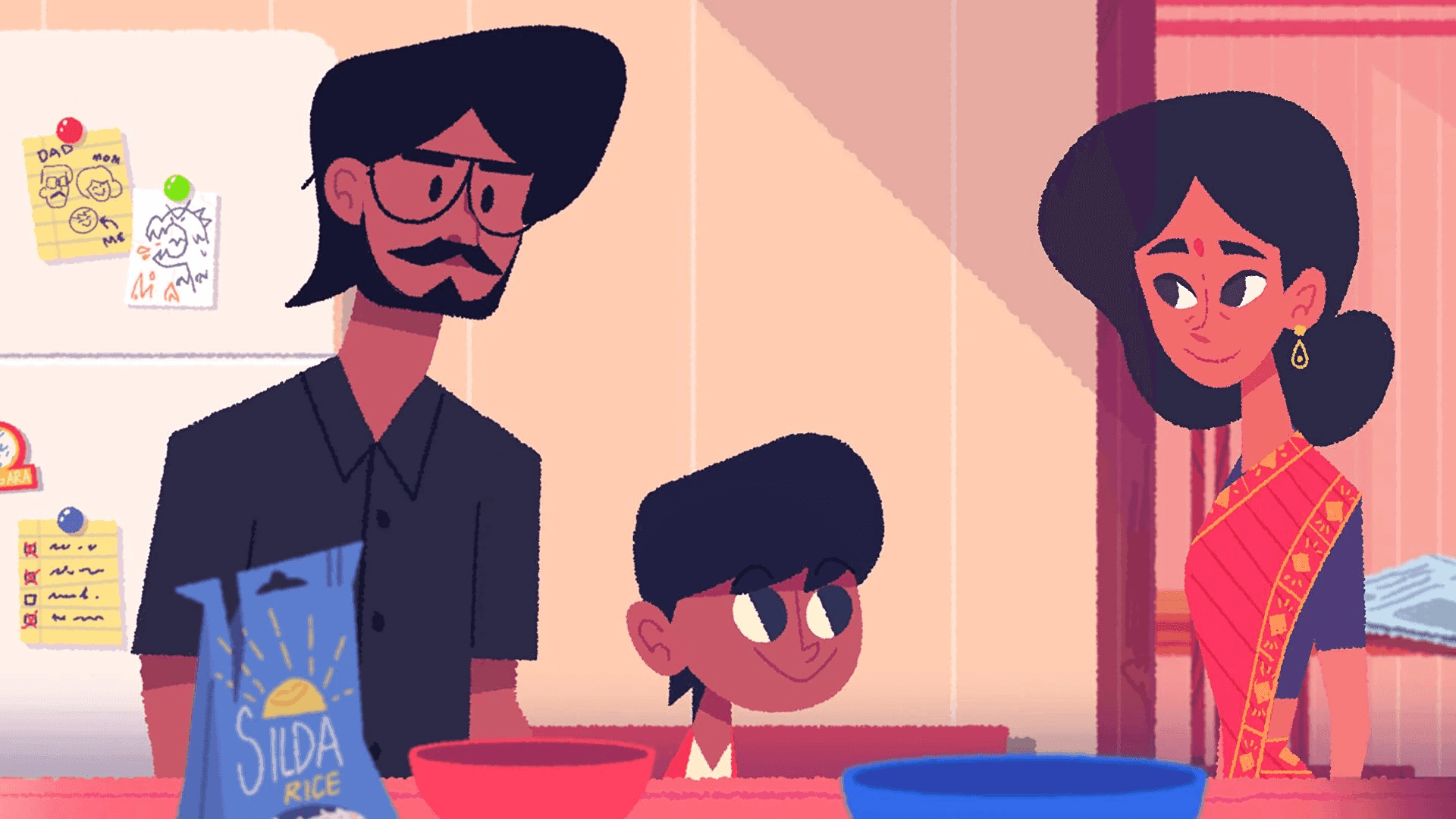
We also love games that make children discover another culture. Venba is a short narrative cooking game about an Indian family who immigrates to Canada. Story bits are uncovered playing as the son of this family, connecting with your mother through food and learning delicious recipes. A real gem that opens a window to curiosity and potential cooking sessions at home.
Healthy gaming habits make a difference
As we’ve seen, games can touch a wide variety of topics and teach children important life lessons as they wander through these virtual worlds. We can’t end this article without highlighting the importance of healthy gaming habits, and how we can balance gaming sessions and real life experiences.
Having clear and consistent time boundaries for playing can help, along with having open conversations with your kids about the content they come across. You can even take part in their interests by joining them for some cooperative games to create fun memories together.
And who knows, they could discover interesting sports they want to try, instruments they feel inspired to learn, or dishes they would like to cook in real life.
So, when you assume gaming can only be a way to kill time, remember that carefully chosen games can become an open door to more concrete experiences – bridging the gap between digital worlds and everyday life, and becoming a meaningful part of children’s growth.